Amarillo Homeowner Guide
AC Running but Not Cooling? A 10-Step Troubleshooting Guide for Amarillo Homes
Published September 8, 2026 · Last reviewed · Amarillo, Canyon & Bushland, TX
The short answer
As of September 2026, the most common reasons an AC in Amarillo, TX runs but doesn't cool are a clogged filter, a frozen indoor coil, a dirty or hail-damaged outdoor coil, a failed capacitor ($150–$400 to fix), or a refrigerant leak ($400–$1,600). The first three you can check yourself in ten minutes; the last two need a licensed technician and a $75–$150 diagnostic visit.
Palo Duro Air Repair · (806) 555-0100 · matching Amarillo-area homeowners with independent, TDLR-licensed HVAC contractors.
“It’s running but it’s not cooling” is the most common summer complaint Amarillo HVAC contractors hear, and a surprising share of those calls end with the technician changing a filter, thawing a coil, or hosing off a condenser — things you could have done yourself before paying a $75–$150 diagnostic fee. This guide walks through the checks in the order a technician would do them, tells you what each symptom usually means and what it costs to fix in Amarillo, and marks the points where you should stop and call a licensed pro rather than keep poking.
Cost figures here match the Amarillo AC repair cost guide. If the house is already dangerously hot, skip to the emergency guide first.
Before you start: two Amarillo-specific realities
Dust. The Panhandle’s spring winds load air filters and condenser coils with dirt faster than almost anywhere in Texas. A filter that lasted three months last winter can be choked in five weeks in April and May. Half the airflow problems below trace back to this.
Hail. Amarillo has a primary hail season from March to early May and a smaller one in September–October. If your cooling problem started after a storm, look at the outdoor unit before you do anything else — flattened fins or a bent fan blade change the whole diagnosis. The hail-damage guide has a five-tier scale for that.
The 10-step check
Work in order. Each step is either free or nearly free. “STOP” means stop troubleshooting and call a licensed technician.
1. Thermostat
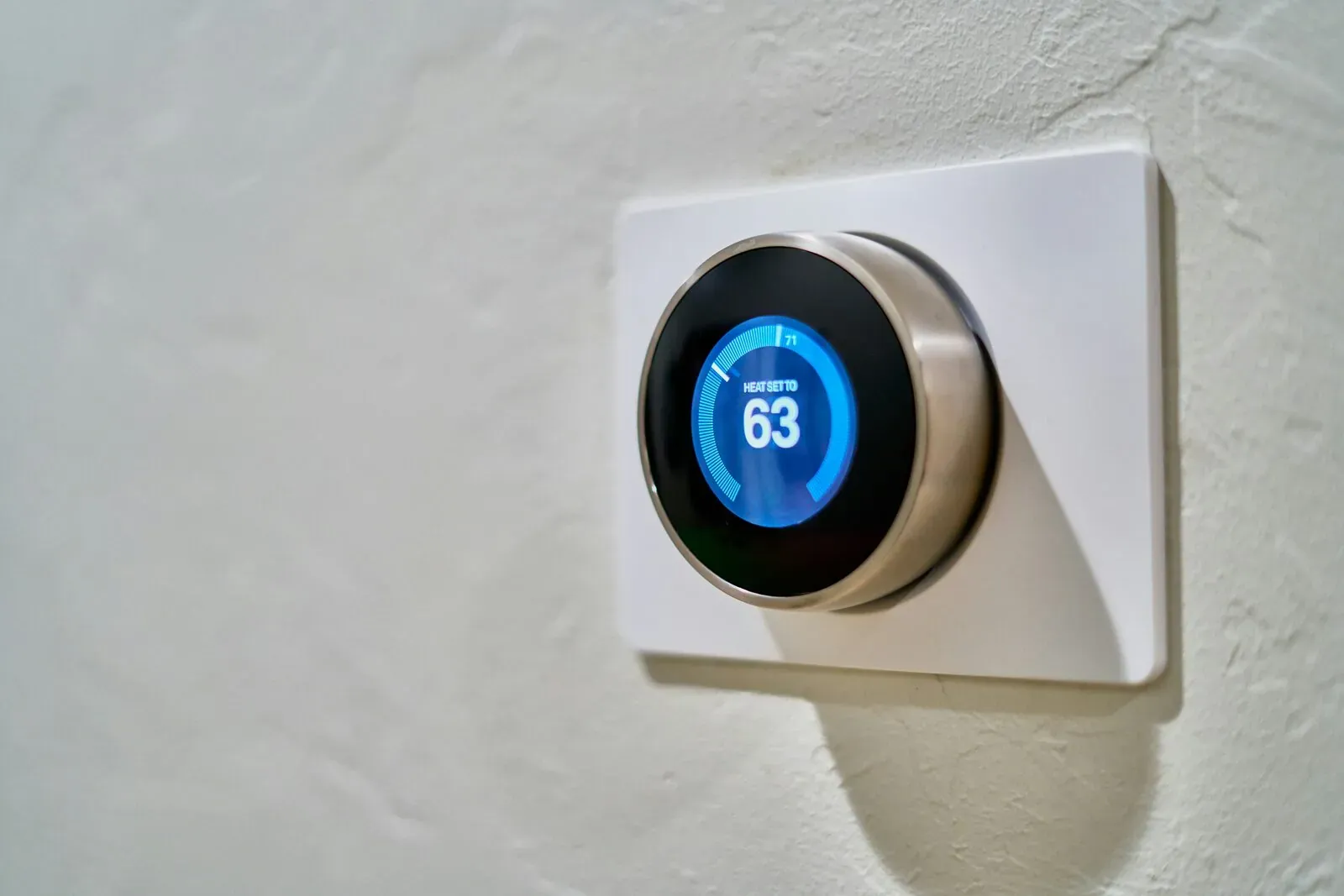
Mode on COOL, fan on AUTO (not ON — ON runs the blower continuously and can make the air feel warm between cycles), set point at least three degrees below the room reading. If the display is dim or blank, change the batteries. Check for a schedule or vacation hold overriding your setting. This resolves more “no cooling” calls than anyone likes to admit.
2. Air filter
Pull it. Hold it up to a light. If you can’t see through it, replace it. Use the same size and a moderate MERV rating (8–11 is the usual residential range; very high-MERV filters restrict airflow on systems not designed for them). A starved system can’t move enough air across the indoor coil, and the coil freezes — which brings us to step 4.
3. Registers and return
Open every supply register, including in rooms you don’t use — closing them doesn’t save energy on most systems and does raise pressure and reduce airflow. Make sure the big return grille isn’t behind a bookcase or covered by a rug.
4. Ice
Look at the indoor coil (behind the access panel on the air handler, if you can reach it safely) and at the larger copper line where it enters the outdoor unit. Frost or ice means the coil is too cold, which happens for one of two reasons: not enough warm air moving across it (filter, blower, blocked returns) or not enough refrigerant in it (a leak).
Set the thermostat to OFF and the fan to ON. Wait two to three hours. Replace the filter in the meantime. Then turn cooling back on. If it runs normally, you had an airflow problem and you fixed it. If it freezes again with a clean filter, STOP — it’s almost certainly low refrigerant, which means a leak, which is a $400–$1,600 repair and not a DIY job. Don’t chip at the ice and don’t run the compressor while it’s frozen.
5. Breakers and disconnect
At the electrical panel, look for tripped breakers — there are usually two, one for the outdoor condenser and one for the indoor air handler. Reset once. If either trips again, STOP and leave it off; repeated tripping means a real electrical fault or a compressor that’s locking up. Outside, check that the disconnect box on the wall near the condenser hasn’t been switched off or had its pull-out removed (kids, lawn crews, and the last technician have all done this).
6. Watch the outdoor unit start
Have someone set the thermostat to call for cooling while you stand by the condenser. Within a minute or two the fan should start spinning and you should hear the compressor come on with a deeper hum.
- Fan spins, compressor hums along: the unit is running; move to step 7.
- Humming or buzzing, fan not spinning: classic failed capacitor. STOP. It’s a $150–$400 repair in Amarillo, and letting it keep trying to start is hard on the compressor. You can sometimes nudge the fan with a stick to get it going — don’t; it’s a one-time trick that ruins the motor.
- Nothing at all, no hum: could be the contactor, the disconnect, a low-voltage wire, or the thermostat. STOP and call.
- Rhythmic ticking or wobbling: likely a bent fan blade, common after hail. STOP — a blade is cheap, a motor is $300–$700, and running it out of balance turns the first into the second.
7. Outdoor coil: dirt and hail
Look at the fins on all four sides. In Amarillo they’re usually coated with a film of dust, sometimes cottonwood fluff in early summer, sometimes grass clippings from the last mowing. Flattened fins in a splatter pattern mean hail. Both restrict the coil’s ability to dump heat, which makes the system run hot and cool poorly.
Turn the power off at the disconnect. Clear debris by hand. Rinse the coil gently with a garden hose, spraying from the inside out if you can get the top off safely (or just from the outside at low pressure if you can’t). Never use a pressure washer — it flattens fins. Let it dry, restore power, and test. A coil wash alone can restore several degrees of cooling.
Bent fins need a fin comb, which is inexpensive but tedious; most homeowners leave that to the technician. If the fin damage is extensive or the coil is leaking (oily residue on the fins is a tell), see the hail-damage guide.
8. Condensate drain
Cooling produces water — a lot of it on a humid day, less in Amarillo’s dry heat, but enough to clog a drain line with algae over a season. Many air handlers have a float switch in the drain pan that shuts the whole system off when the pan fills, to protect your ceiling. Look for standing water around the indoor unit or in a secondary pan under an attic air handler. Clearing the line is usually simple (a wet/dry vac at the outdoor drain outlet does it), but if you’re not comfortable, STOP and call — it’s a quick, inexpensive service call.
9. Temperature split
After the system has run for 15 minutes, hold a thermometer in the air coming out of a supply register, then in the air going into the return. A healthy system delivers supply air roughly 15–20°F cooler than the return. A split under about 10°F, after you’ve done steps 1–8, points to low refrigerant, a weak compressor, or a metering problem — STOP and call. A split over 22°F or so usually means restricted airflow (back to steps 2–4).
10. Give it time — within reason
On a triple-digit afternoon, a correctly sized Amarillo system may pull the house down only a degree or two per hour and may not reach 72°F until after the sun leaves the west side of the house. That’s physics, not a malfunction. What’s not normal: running continuously while the house gets warmer, or failing to hold within a few degrees of the set point once the sun’s off the wall. If that’s happening after all of the above, schedule a diagnostic.
What each finding usually costs in Amarillo
| What you found | Likely cause | Typical fix | Amarillo cost |
|---|---|---|---|
| Dirty filter, no ice | Airflow | New filter | Cost of a filter |
| Ice, cleared with new filter | Airflow | Filter + thaw | Free |
| Ice returns with clean filter | Refrigerant leak | Leak repair + recharge | $400–$1,600 |
| Outdoor unit hums, fan won’t spin | Capacitor | Capacitor replacement | $150–$400 |
| Outdoor fan spins slowly / ticks | Fan motor or bent blade | Blade or motor | $300–$700 (motor) |
| Dirty coil | Heat rejection | Coil wash | Often within a $75–$150 visit |
| Flattened fins after hail | Hail damage | Fin comb / coil repair | $75–$700; see hail guide |
| Water at indoor unit, system off | Clogged drain / float switch | Drain clear | Usually within a diagnostic visit |
| Everything runs, split under 10°F | Refrigerant or compressor | Diagnosis required | $75–$150 to find out; compressor $1,500–$3,000 if that’s it |
When it’s a bigger conversation
If the diagnosis comes back as a refrigerant leak on an R-22 system, a compressor, or a coil on a unit that’s 12 or more years old, you’re not in troubleshooting territory anymore — you’re in the repair-vs-replace decision. Ask the technician to quote both, and read that guide before you decide.
Get a licensed diagnosis
If you’ve worked through the list and hit a STOP, Palo Duro Air Repair connects Amarillo, Canyon, and Bushland homeowners with independent HVAC contractors who report holding an active Texas ACR license. Tell us what you found — “hums but fan won’t spin” or “ice comes back with a clean filter” gets you the right technician with the right parts on the truck. Verify any contractor at the TDLR license lookup before work begins. No obligation to hire.
FAQ
AC Running but Not Cooling? A 10-Step Troubleshooting Guide for Amarillo Homes: Questions Amarillo Homeowners Ask
Why is my AC running but not cooling the house?
An AC that runs but doesn't cool most often has an airflow problem (clogged filter, frozen coil, blocked registers), a dirty or damaged outdoor coil, a failed capacitor keeping the outdoor unit from starting, or a refrigerant leak. Airflow problems you can usually fix yourself in an afternoon; capacitors and leaks need a licensed technician, at $150–$400 and $400–$1,600 respectively in Amarillo.
Why is my AC blowing warm air?
Warm air from the vents while the system runs usually means the outdoor unit isn't doing its job — the compressor isn't running (often a $150–$400 capacitor), the outdoor coil is too dirty or hail-damaged to reject heat, or the system is low on refrigerant from a leak. Check whether the outdoor fan is spinning first; that one observation tells the technician a lot.
How do I unfreeze my AC coil?
Turn the thermostat to OFF and the fan to ON, and leave it for two to three hours (longer if it's heavily iced). Replace the filter while you wait. Once the ice is gone, turn cooling back on; if it freezes again with a clean filter and open registers, you likely have a refrigerant leak or a failing blower and should call a licensed technician. Don't chip at the ice.
Is it normal for my AC to run all day in Amarillo?
On the hottest Amarillo afternoons — average highs are 90–93°F in June through August, with hotter days on top — a correctly sized system will run for very long stretches and may not reach a low set point until evening. That's normal. What isn't normal is running all day while the house gets warmer, or a temperature split at the vents under about 10°F; those point to a real problem.
Can hail make my AC stop cooling?
Yes. Hail can flatten the aluminum fins on the outdoor coil enough to choke airflow, which reduces cooling and can overheat the compressor; larger stones can puncture the coil tubing and cause a refrigerant leak, which produces warm air and ice on the lines. After a Panhandle storm, look at the coil faces and fan blades before assuming an internal failure.
How much does it cost to find out why my AC isn't cooling?
A diagnostic visit from a licensed Amarillo HVAC contractor runs $75–$150 during normal hours, and many providers credit it toward the repair if you approve the work the same day. After-hours visits bill at $140–$250+ per hour instead. Doing the ten homeowner checks first means you either fix it free or give the technician a head start.
Keep reading
Related Amarillo AC guides
Ready for a real quote from a local Amarillo HVAC pro?
Tell us what your system is doing and we’ll match you with an independent, TDLR-licensed contractor serving Amarillo, Canyon, and Bushland. No obligation to hire.