Amarillo Cost & Decision Guide
Hail-Damaged AC Repair in Amarillo, TX: Repair or Replace, and What It Costs
Published September 8, 2026 · Last reviewed · Amarillo, Canyon & Bushland, TX
The short answer
As of September 2026, repairing hail damage to a central AC condenser in Amarillo, TX typically runs $200–$2,000+ — from a fin-comb repair folded into a $75–$150 diagnostic visit up to a full condenser-coil replacement. A unit with compressor or cabinet damage usually crosses into replacement territory at $6,000–$14,500 installed.
Palo Duro Air Repair · (806) 555-0100 · matching Amarillo-area homeowners with independent, TDLR-licensed HVAC contractors.
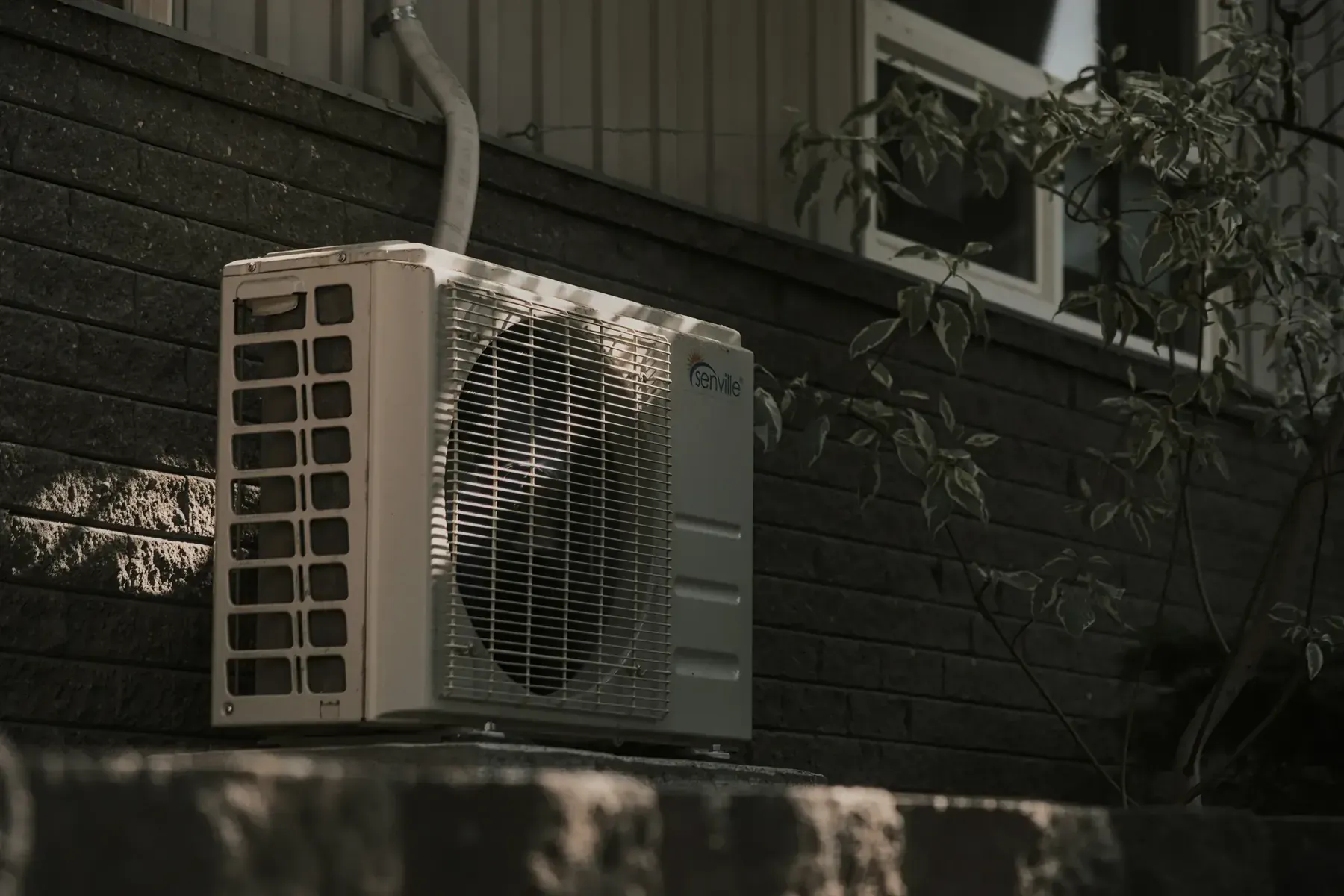
Amarillo sits in the part of the Texas Panhandle that earns its “Hail Alley” reputation twice a year, and the outdoor half of your air conditioner — the condenser — is one of the most exposed pieces of equipment you own. It lives outside year-round, its coil is wrapped in aluminum fins thinner than a soda can, and its fan blades spin under an open grille. When a spring storm rolls through Potter or Randall County, the condenser takes the hit before anything else on the property except the roof.
This guide covers what hail actually does to an AC unit, how to tell a cosmetic dent from a real problem, what each level of damage costs to fix in Amarillo, when repair stops making sense, and how to handle the insurance and contractor conversations in the right order. Every dollar figure on this page matches the Amarillo AC repair cost guide and the replacement cost guide, so you can cross-check as you go.
Why Amarillo specifically: two hail seasons, not one
Most of Texas has a spring hail season. The Panhandle has two. The primary season runs March through early May, peaking in April and early May, when cold upper-level air still sits over the plains while surface heating ramps up. Then there’s a lesser-known secondary season in September and October — smaller stones, more isolated storms, but real — that’s unusual among Texas regions and catches homeowners off guard because they think hail risk ended in June.
That second window matters for AC owners for a practical reason: by September your system has just finished its hardest four months of the year. Amarillo’s average highs sit around 90–93°F from June through August, so a condenser that was already running long cycles all summer is now getting pelted while it’s still under load. Damage that would be a nuisance in April can tip a tired 14-year-old unit into replacement territory in September.
For homeowners in Canyon and Bushland, the exposure is the same or slightly worse — open terrain west and south of the city means fewer windbreaks around the unit.
What hail actually does to a condenser
It helps to know the parts. Your outdoor unit has four things hail can reach:
Coil fins. The thin aluminum fins wrapped around the outside of the unit. They exist to shed heat, and they bend if you look at them wrong. Hail flattens them in a pattern that matches where the stones hit — usually the faces of the unit exposed to the storm’s direction and the top edge. Bent fins block airflow across the coil, which makes the system work harder to reject heat, which raises your run time and electric bill and, over a summer, stresses the compressor.
Coil tubing. Behind the fins are the copper (or aluminum, on newer units) tubes that carry refrigerant. Fins protect them from small and medium hail. Large stones — roughly golf-ball size and up, though it depends on angle and wind speed — can puncture the tubing. That’s a refrigerant leak, and it’s the point where hail damage goes from “annoying” to “the system doesn’t cool.”
Fan blades and grille. The top of the unit is a grille over a fan. Hail can bend the grille down into the fan’s path or bend a blade. A bent blade puts the fan out of balance, which you’ll hear as a rhythmic ticking, wobbling, or grinding, and which will eventually take out the fan motor if it isn’t corrected.
Cabinet and compressor. The steel cabinet dents, and in severe storms it can be caved in far enough to contact internal components. The compressor itself sits inside the cabinet and is rarely hit directly, but a unit that took cabinet-crushing hail has often also taken coil punctures and fan damage — it’s the whole unit that’s compromised, not one part.
The Hail Damage Severity Scale, with Amarillo costs
The homepage Severity Scale gives you a five-tier self-assessment. Here it is again with the cost column filled in. These figures are Amarillo-area repair ranges as of September 2026; the diagnostic fee is separate from the repair on most invoices, so ask whether it’s credited toward the work.
| Tier | What you see | What it means | Recommendation | Typical Amarillo cost |
|---|---|---|---|---|
| 1 — Cosmetic | Light scuffing or discoloration on a few fins; cooling normal | No functional impact | Monitor; photograph for your records | No cost — monitor only |
| 2 — Minor fin damage | Bent fins across part of one face; cooling normal | Slight airflow restriction | Repair at a normal-hours visit | $75–$150 diagnostic + minor labor for fin combing |
| 3 — Moderate coil damage | Fins crushed across a large area; unit runs longer, cools less | Real capacity loss; possible fan-blade damage | Repair — coil clean/fin repair, fan check | $300–$700 (coil and fan work; fan motor replacement if needed) |
| 4 — Coil breach / leak | Warm supply air, ice on the line, constant running | Punctured tubing; refrigerant loss | Repair-or-replace decision point | $400–$1,600 to repair the leak and recharge; coil replacement toward $2,000+ |
| 5 — Structural / total failure | Caved-in cabinet, won’t run, compressor damage | Whole unit compromised | Replace | $6,000–$14,500 full system replacement (typical ~$9,500) |
A note on the top of the range: “$200–$2,000+” is the honest span for hail-specific condenser work in this market. The low end is a fin-comb repair bundled into a diagnostic; the high end is a condenser-coil replacement on a system that’s otherwise worth keeping. Once a quote passes that, you’re really pricing a new unit, and you should be looking at the repair-vs-replace guide rather than this table.
This scale is a starting point, not a diagnosis. Only a licensed technician who has opened the unit and put gauges on it can tell you which tier you’re actually in. Its job is to help you decide how urgently to call and what questions to ask.
Repair options, tier by tier
Fin combing (Tiers 2–3)
A fin comb is a simple hand tool with teeth spaced to match the fin pitch on your coil. The technician works it through the bent sections to straighten them and restore airflow. It’s tedious, not technical, and on a unit with damage across one or two faces it’s often done inside the diagnostic visit or for a modest labor add-on. There’s no part to buy. Always ask for this before accepting a coil replacement for fin damage alone — bent fins are not a reason to replace a coil.
Coil cleaning and fan inspection (Tier 3)
Hail season in Amarillo overlaps with the dustiest part of the year, so a coil that took hail in April is often also caked with wind-blown dirt. A proper Tier 3 repair usually pairs fin straightening with a coil wash and a check of the fan blade balance and motor amperage. If the fan blade is bent, it’s replaced (blades are inexpensive; the labor is the cost). If the motor was straining against a bent blade for weeks, a condenser fan motor replacement runs $300–$700.
Leak repair and recharge (Tier 4)
A punctured coil tube can sometimes be brazed shut if the puncture is accessible and the coil is otherwise sound. The system is then pulled into a vacuum and recharged. Expect $400–$1,600 for the leak repair plus refrigerant, with the refrigerant type driving much of that spread: R-410A systems sit toward the lower-middle of the range, while an R-22 system can run $90–$150 per pound for refrigerant alone, and a typical residential charge is 6–12 pounds. If your unit uses R-22, read the R-22 phase-out guide before authorizing a recharge — a repair that puts $1,000 of refrigerant into a 15-year-old unit is a repair worth reconsidering.
Condenser coil replacement (upper Tier 4)
When the puncture can’t be brazed or there are multiple leaks, the coil itself is replaced. This is the upper end of the “$200–$2,000+” range. It’s a legitimate repair on a system under roughly 10 years old with a matched indoor unit and a healthy compressor. On anything older, get the replacement comparison — a new coil doesn’t make the compressor any younger.
Replacement (Tier 5)
A caved-in cabinet, a compressor that won’t start after the storm, or a leak plus fan plus cabinet damage on an older unit adds up to replacement. In Amarillo that’s $6,000–$14,500 installed, with most homeowners landing around $9,500 depending on tonnage, efficiency tier, and whether the indoor coil and line set are replaced at the same time. The replacement cost guide breaks that range down.
When replacement wins even if the unit still runs
Three situations push a “repairable” hail-damaged unit toward replacement:
- Age. The working rule of thumb for central AC is a 12–15 year service life in a hot climate. A unit at 12+ years with Tier 4 damage is a candidate for replacement regardless of whether the coil can technically be fixed.
- Refrigerant. New R-22 hasn’t been produced or imported since January 1, 2020. Every pound that goes into your unit now is reclaimed stock at $90–$150 per pound installed. A full R-22 recharge runs $600–$1,800 by itself.
- The $5,000 rule. Multiply the unit’s age by the repair quote. If the result passes $5,000, replacement usually makes more financial sense. A 10-year-old unit with a $700 coil-and-fan repair is $7,000 — lean replace. A 6-year-old unit with the same repair is $4,200 — lean repair. The repair-vs-replace guide works through more examples.
There’s also a 2026-specific wrinkle. Since January 1, 2025, new residential AC equipment has had to use lower-global-warming-potential refrigerants (R-454B or R-32) rather than R-410A. If your system is a 2010–2024 R-410A unit, repair parts and refrigerant are still available, but a new system will be on the newer refrigerant — which affects whether a “condenser-only” replacement is even an option. Ask the contractor directly.
Insurance: the order of operations matters
This section is general guidance, not a coverage determination. Only your policy and your agent can tell you what’s covered.
Photograph first. Before anyone touches the unit — you, a technician, a neighbor with a fin comb — take wide and close-up photos with timestamps, and photograph hail on the ground with something for scale. This is the single most useful thing you can do in the first hour after a storm.
Call your agent before authorizing repairs beyond a diagnostic. Many standard homeowners policies treat the outdoor condenser as part of the dwelling and cover sudden hail damage after your deductible. Some policies exclude cosmetic-only damage. The conversation you want to have is: “Here’s what happened, here’s my deductible, how would a claim affect my premium, and does the estimate justify filing?” A fin-comb repair that costs less than your deductible is not a claim; a $9,500 replacement might be.
Get the diagnostic in writing. Ask the technician for a written findings report with photos and the TDLR ACR license number on it. Adjusters want to see that a licensed contractor identified the damage as storm-caused.
Watch for storm chasers. After a large hail event, out-of-area operators show up in Amarillo neighborhoods offering free inspections and “we’ll handle your insurance.” Red flags: no Texas ACR license number on the truck or paperwork, pressure to sign an assignment-of-benefits form on the spot, an offer to “waive your deductible,” and a quote that goes straight to full replacement without a diagnostic. Verify any contractor at the TDLR license lookup — it takes two minutes.
Hail guards and prevention
A hail guard is a set of louvered or heavy-mesh panels mounted over the condenser’s coil faces. For the typical Panhandle storm — dime-to-quarter hail with the occasional larger stone — a guard meaningfully reduces fin and coil damage. It won’t stop everything, and the top grille and fan remain exposed on most designs.
Two things to insist on: the guard must not restrict airflow (a restricted coil costs you efficiency every hour it runs), and it should be sized and rated for your specific unit. Prices vary enough by unit size and product that it’s worth asking for it as a line item on your next service visit rather than relying on a national average. A guard makes the most sense on a newer system you expect to run another decade, on any unit with open western or southern exposure, and in Bushland or the south side of Canyon where there’s little around to break the wind.
The other prevention step is timing: the best moment to have a technician look at your coil, straighten last year’s minor fin damage, and clean off the dust is in the pre-summer window — which in Amarillo happens to overlap with the spring hail season. The summer prep guide covers how to sequence that.
After the storm: the 48-hour checklist
Once the storm has fully passed and it’s safe to be outside, work through this in order. It’s written so that you don’t create a bigger repair by running a damaged unit, and so you have what you need before a contractor or adjuster arrives.
- Look, don’t touch. Walk around the unit and look at all four coil faces, the top grille, and the fan blades. Don’t open the cabinet — the electrical disconnect may still be live.
- Photograph everything. Wide shots, close-ups of each damaged face, the fan from above, and hail on the ground with a coin or tape measure for scale.
- Run a short test. Set the thermostat to cool and listen. Grinding, ticking, or a blade striking the grille means shut it off at the thermostat.
- Check for warm air or ice. After 15–20 minutes, feel the supply air. Warm air or frost on the outdoor copper line points to a refrigerant leak — turn it off to protect the compressor.
- Place it on the scale. Tier 1–2 waits for a normal-hours appointment. Tier 3–5 gets scheduled now.
- Call your insurer before signing anything beyond a diagnostic if it looks like Tier 3 or worse.
- Get a licensed diagnosis in writing — and on an older or R-22 unit, a replacement quote alongside it.
If the system won’t run at all during a heat wave, that’s an emergency-service situation; the emergency AC repair guide covers what after-hours pricing looks like and how to stay safe while you wait.
How to get matched with a local pro who handles hail work
Palo Duro Air Repair connects Amarillo, Canyon, and Bushland homeowners with independent, TDLR-licensed HVAC contractors. Tell us which tier your unit looks like and whether you’re working with an insurer, and we’ll match you with a provider who reports handling storm-damage repairs. You’ll get a real diagnosis and a written quote; there’s no obligation to hire. Verify any contractor’s license at TDLR before work begins — we recommend it for every provider, including the ones we match you with.
FAQ
Hail-Damaged AC Repair in Amarillo, TX: Repair or Replace, and What It Costs: Questions Amarillo Homeowners Ask
Can hail actually damage an air conditioner, or is it just cosmetic?
Hail can do real damage to a central AC condenser, not just cosmetic damage. The outdoor unit's coil is wrapped in thin aluminum fins that bend easily, and large enough stones can puncture the copper or aluminum tubing behind them, bend the fan blades, or dent the cabinet hard enough to interfere with the fan. Most Amarillo hail damage lands in the cosmetic-to-moderate range, but a small share of storms produce stones large enough to cause a refrigerant leak.
How much does it cost to fix a hail-damaged AC unit in Amarillo?
Hail-damage repair on a condenser in Amarillo typically costs $200–$2,000+, depending on how deep the damage goes. Straightening bent fins is often folded into a $75–$150 diagnostic visit; repairing a punctured coil and recharging refrigerant runs $400–$1,600; replacing the whole condenser coil sits at the upper end. If the compressor or cabinet is damaged on an older unit, replacement ($6,000–$14,500 installed) is usually the better use of the money.
Does homeowners insurance cover hail damage to an AC unit?
Many standard homeowners policies treat an outdoor condenser as part of the dwelling and cover sudden storm damage, subject to your deductible — but policies vary, and some exclude cosmetic-only damage. Only your policy documents and your agent can confirm coverage. Photograph the damage before any repair, ask your agent how a claim would affect your premium, and weigh that against the repair estimate before deciding whether to file.
Should I turn my AC off after a hailstorm?
Turn the AC off if you hear grinding or striking sounds, if it's blowing warm air, if you see ice on the refrigerant line, or if the breaker trips. Running a system with a bent fan blade or a refrigerant leak can turn a moderate repair into a compressor failure. If it's cooling normally and sounds normal, it's generally fine to keep running while you schedule an inspection.
Can bent condenser fins be repaired, or does the coil have to be replaced?
Bent fins alone can almost always be repaired with a fin comb rather than replacing the coil. A technician straightens the aluminum fins so air can pass through the coil again. Coil replacement only becomes necessary when the tubing behind the fins is punctured or when the fin damage is so extensive that straightening isn't practical. Ask specifically for the fin-comb option before agreeing to a coil replacement.
When is a hail-damaged AC unit not worth repairing?
A hail-damaged unit is usually not worth repairing when it's 12 or more years old, uses R-22 refrigerant, or needs a compressor or condenser coil replaced. At that point the repair cost often approaches a meaningful fraction of a new system, and you'd be putting money into equipment near the end of its life. Get a replacement quote alongside the repair quote and compare.
Do hail guards for AC units work, and are they worth it in Amarillo?
Hail guards — louvered or mesh panels mounted over the coil faces — do reduce fin and coil damage from typical Panhandle hail, though nothing stops the largest stones. Given Amarillo sees two hail seasons a year, a guard is a reasonable add-on for an exposed unit, especially a newer one you expect to run another decade. Make sure whatever you install doesn't restrict airflow; ask the installer to confirm the guard is rated for your unit.
Keep reading
Related Amarillo AC guides
Ready for a real quote from a local Amarillo HVAC pro?
Tell us what your system is doing and we’ll match you with an independent, TDLR-licensed contractor serving Amarillo, Canyon, and Bushland. No obligation to hire.